

Why it matters
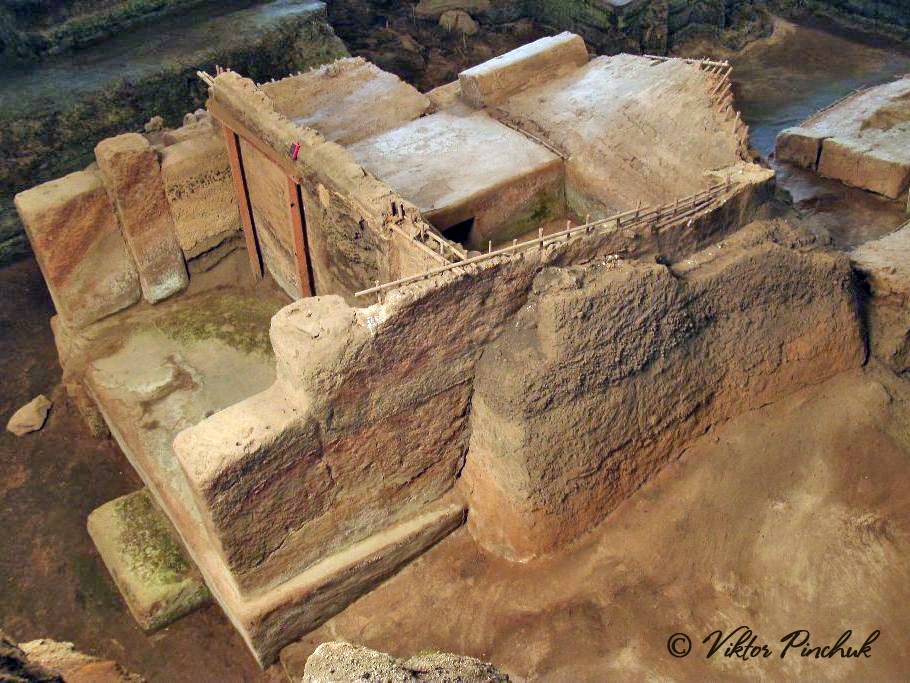
Unlike monumental Maya sites, Joya de Cerén documents homes, food preparation, crops and community structures. Volcanic ash preserved the village after residents escaped, creating an archaeological record of daily life.
What you will see
Visitors follow protected viewing paths around excavated structures and museum interpretation. Do not cross barriers or touch surfaces; the remains are fragile and conservation work can temporarily affect access.
Hours and transportation
The official tourism page lists daily opening from 9:00 a.m. to 4:00 p.m. Confirm the current entry fee and final admission time. Driving or a guided archaeological tour is the simplest option; public transport requires confirming the correct roadside stop.
Practical planning
Bring water and sun protection for exposed walkways. Combine the visit with San Andrés or Tazumal, but check each site’s opening day and hours separately.
Nearby experiences
San Andrés Archaeological Park, Tazumal, Lake Coatepeque, Santa Ana and San Salvador.
Last reviewed: September 2026. Information can change. Primary reference: Source. Photography from Wikimedia Commons.